Tools
Open-source software, web servers, deep learning suites, and interactive Google Colab notebooks developed by the Ovchinnikov Lab.
No tools match your search criteria.
Featured Tools

MSA_Pairformer
Scaling down protein language modeling to protein-protein interactions with MSA Pairformer architecture.
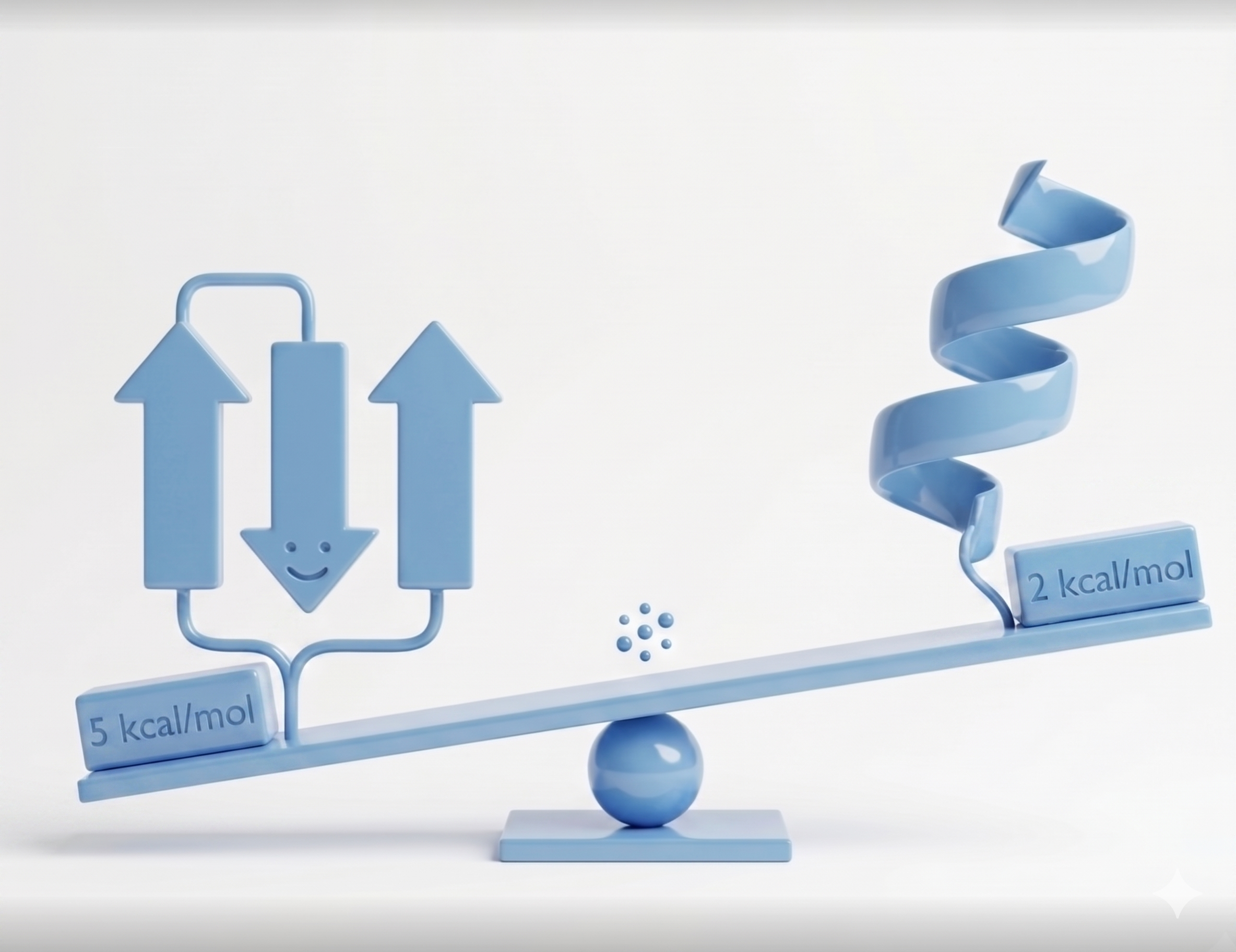
absolute-stability-predictor
Fine-tuned models (ESM3ΔG, SaProtΔG) predicting per-residue protein stability (ΔG) and mutational effects from structure.
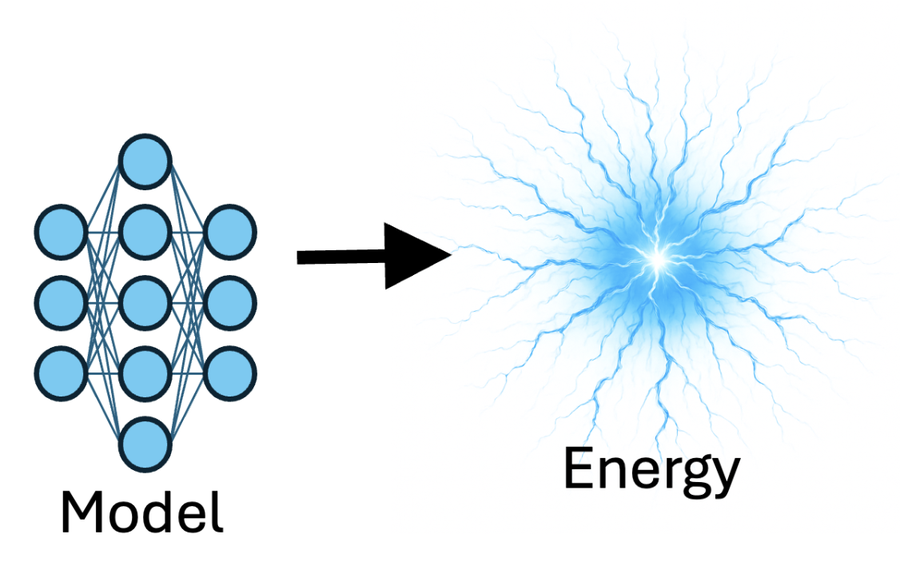
ProteinEBM
Energy-based models of protein structure learned from sequence via denoising score matching.

Protein-Hunter
Exploiting structure hallucination within diffusion for target-aware protein design.
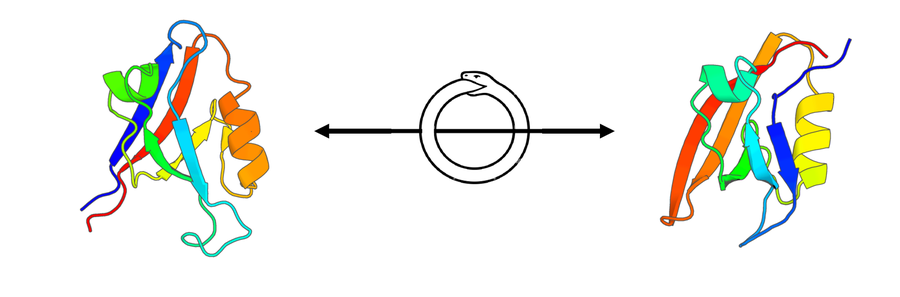

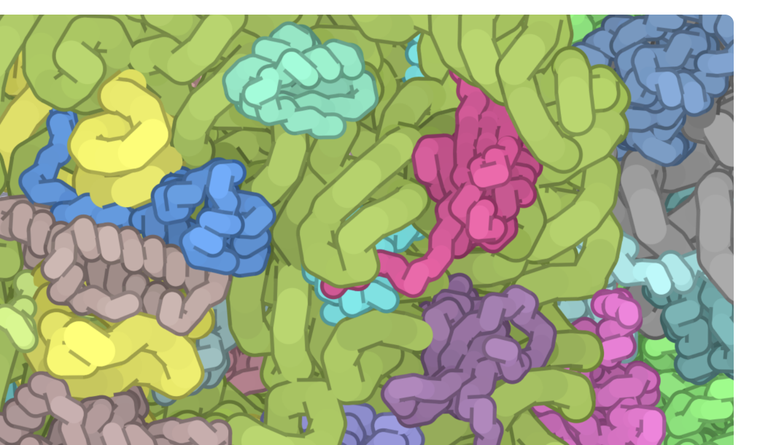
py2Dmol
Visualizing protein, DNA, and RNA structures in 2D directly inside Google Colab and Jupyter Notebooks.
Complete Tool Suite
ColabFold
Accelerated, accessible protein folding via fast MSA generation (MMseqs2) and AlphaFold2 / RoseTTAFold.
ColabDesign
Flexible suite for back-propagation based protein design using TrRosetta, RoseTTAFold, and AlphaFold.
BoltzDesign
Inverting all-atom structure prediction models for generalized biomolecular binder design.
SWAMPNN / SoftAlign
End-to-end neural protein structure alignment and fold-switching landscape evaluation.
AF2BIND
Lightweight and fast prediction of small-molecule binding sites using AlphaFold2 pair representations.
GREMLIN
Generative Regularized Estimation of Mutational Landscapes for predicting contact maps and couplings.
CatJac (Categorical Jacobian)
Extracting pairwise relationships and coevolutionary matrices directly from generative protein language models.